Over the past few years, CBD has entered the wellness sphere, and many people now consider it as a potential support during withdrawal. The question then arises: can CBD be regarded as an effective solution to stop drug use, especially in 2026 where mindsets are evolving and research is advancing rapidly? An overview of the perspectives and stakes surrounding CBD in addiction reduction.
CBD and its properties in the context of withdrawal
Cannabidiol (CBD) is generating increasing interest among those looking to reduce their consumption of addictive substances. Its lack of psychoactive potential, unlike THC, makes this hemp compound a more reassuring alternative for many users engaged in a gradual withdrawal process.
Incorporating CBD into a withdrawal protocol often aims to benefit from its relaxing effects without risking the euphoric sensations or loss of control associated with high-THC cannabis. This structural distinction positions CBD as an option studied in various countries for several years to help against addictions.
What roles can CBD play in reducing drug consumption?
Scientifically, research on CBD and withdrawal is progressing, although it remains incomplete. For many users, replacing certain recreational uses of traditional cannabis with CBD already represents a first step towards reducing THC consumption. Moreover, when it comes to quitting smoking cannabis rich in THC, CBD particularly catches attention as an alternative that can help facilitate withdrawal while maintaining certain habits.
Furthermore, some testimonials mention a noticeable aid from CBD in managing anxiety related to withdrawal, as well as in the regulation of sleep disorders that often accompany withdrawal periods. All these effects could improve adherence to a cessation program in the long term.
Managing anxiety and stress during withdrawal
Increased anxiety is common when stopping a substance. The relaxing properties attributed to CBD could intervene at this level. According to several clinical studies, this cannabinoid would exert a modulatory effect on the central nervous system, helping to alleviate spikes in stress.
This modulation primarily manifests through the endocannabinoid system, a key player in the regulation of emotions and mood. Thus, many consumers explore CBD in hopes of alleviating these emotional discomforts, in conjunction with other therapeutic approaches. Moreover, in a perspective to fight against tobacco addiction, some anecdotes and studies indicate that CBD could facilitate natural nicotine withdrawal.
Combating the physical symptoms of withdrawal
Body aches and various inflammations are regularly part of the withdrawal picture, whether it involves opioids, alcohol, or high-THC cannabis. The recognized anti-inflammatory properties of CBD attract those seeking to relieve cramps, migraines, or muscle tensions inherent in stopping a substance.
Added to this, its ability to act on certain chronic forms of pain sometimes restores users’ confidence in their reduction or abstinence journey.
Legislation and legal framework of CBD in 2026
In 2026, the legislative context surrounding cannabidiol continues to be marked by constant evolution. European and French texts have progressively clarified the availability of products containing CBD, while setting safeguards regarding the residual presence of THC. Thus, only CBD derived from authorized hemp varieties, with a THC content below the defined threshold, can be marketed freely.
Even with this regulatory opening, confusion between medical and wellness uses remains present in public opinion. It thus becomes essential to be well-informed about the quality of the products consumed, their traceability, and their compliance, especially when used in a context of withdrawal or to help against addictions.
Choice and formats of CBD products suitable for a withdrawal process
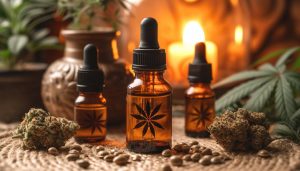
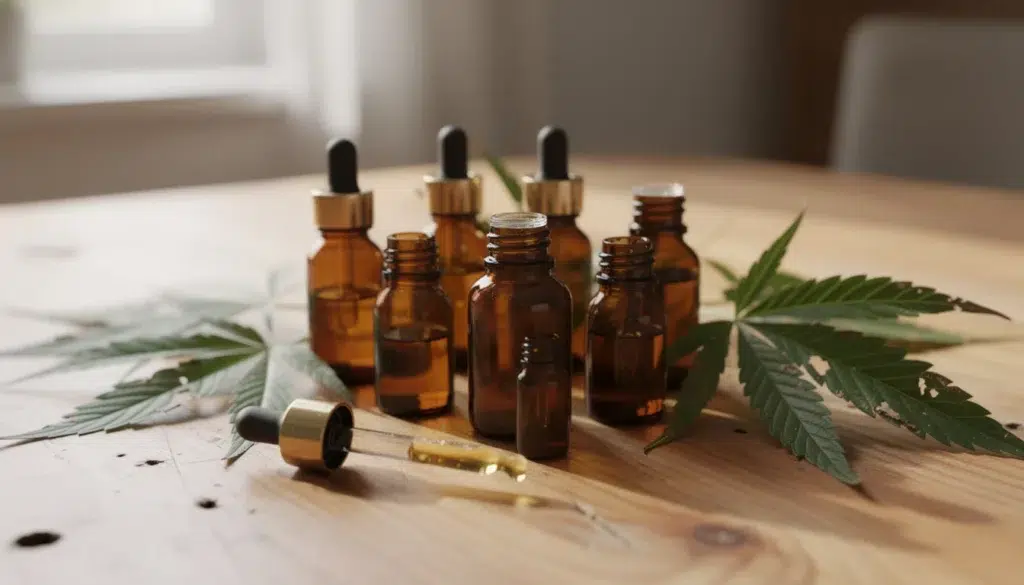
Depending on the needs identified during withdrawal, there are various formats that allow for the customization of CBD use. Some prefer sublingual oils for their rapid action, while others opt for infusions or capsules for their prolonged and discreet effects. Vaporization also features among the options, particularly for ex-smokers seeking a ritual similar to smoking without ingesting toxic substances.
Here is a non-exhaustive list of the main choices:
- Sublingual oils: rapid absorption, precise dosage
- Infusions and teas: gentle and lasting action
- Capsules: simplicity and discretion
- Resins or flowers for vaporizing: alternative to traditional combustion
- CBD cosmetics: to address local muscle pain
It is still advisable to prioritize formats suited to the intensity of symptoms experienced, ease of use, and compatibility with other care or psychological support methods.
Scientific perspectives and observed limits in 2026
At the dawn of 2026, studies regarding the effectiveness of CBD in the context of addiction withdrawal present encouraging results but remain nuanced. While several reports confirm patients’ interest in this type of natural support to reduce THC consumption or other substances, all agree on the need for appropriate professional follow-up.
A recent synthesis clearly distinguishes two axes: the facilitating effect of CBD in managing secondary symptoms such as anxiety and pain, and its variable effectiveness depending on the intensity of the initial addiction. The absence of dependence induced by CBD is an additional argument in favor of its scientific exploration, provided that a cautious individualized approach is adopted.
| CBD Format | Action Time | Main Indication |
|---|---|---|
| Sublingual oil | Rapid (15-30 min) | Managing anxiety, acute crisis |
| Capsule | Slow (1-2 h) | Maintaining baseline, persistent pain |
| Vaporization | Immediate (a few min) | Substitution ritual for cannabis |
| Infusion | Medium (30-60 min) | General relaxing effect, sleep |
Frequently asked questions about CBD in support of withdrawal
Can CBD really help to stop consuming THC-rich cannabis ?
Many users report that CBD facilitates the reduction of THC consumption due to its relaxing effect and lack of euphoric effects. Transitioning from classic cannabis to CBD could decrease compulsive behaviors while maintaining certain rituals.
- Less craving felt
- Emotional support through soothing effect
- Palliative gestures related to consumption
Are there risks to using CBD for withdrawal ?
CBD does not currently induce known physical dependence, but each person may react differently. Interactions with certain medications or transient nausea have been observed in a minority, which is why medical support is still advised.
- No induced addiction
- Vigilance on product quality
- Monitoring during polypharmacy
Which CBD product formats are best during withdrawal ?
Each CBD format has its own advantages depending on the situation: sublingual oil ensures rapid action to manage anxiety, vaporization replaces the act of smoking, while infusions promote general relaxation. Capsules offer a stable intake when discretion is a priority.
| Product | Effect delay | Typical use |
|---|---|---|
| Sublingual oil | 15-30 minutes | Anxiety/discomfort acute |
| Capsule | 1 to 2 hours | Pain/daily follow-up |
| CBD vapor | A few minutes | Tobacco/cannabis withdrawal |
Is CBD legal everywhere in France and Europe in 2026 ?
CBD extracted from hemp with low THC content (<0.3%) enjoys a fairly stable legal framework in France and in the European Union in 2026. Products must display a compliant rate and come from controlled supply chains, under penalty of sales withdrawal or sanctions for sellers.
- Legality governed by THC content
- Absence of sought psychoactive effects
- Traceability considered essential

Alexandre Lacarré is recognized as an innovative and influential leader in the cannabidiol (CBD) industry. Alexandre began his career in the biotechnology sector, where he gained valuable expertise in research and development. Passionate about the therapeutic potential of natural compounds, he quickly shifted his focus to the nascent CBD industry.