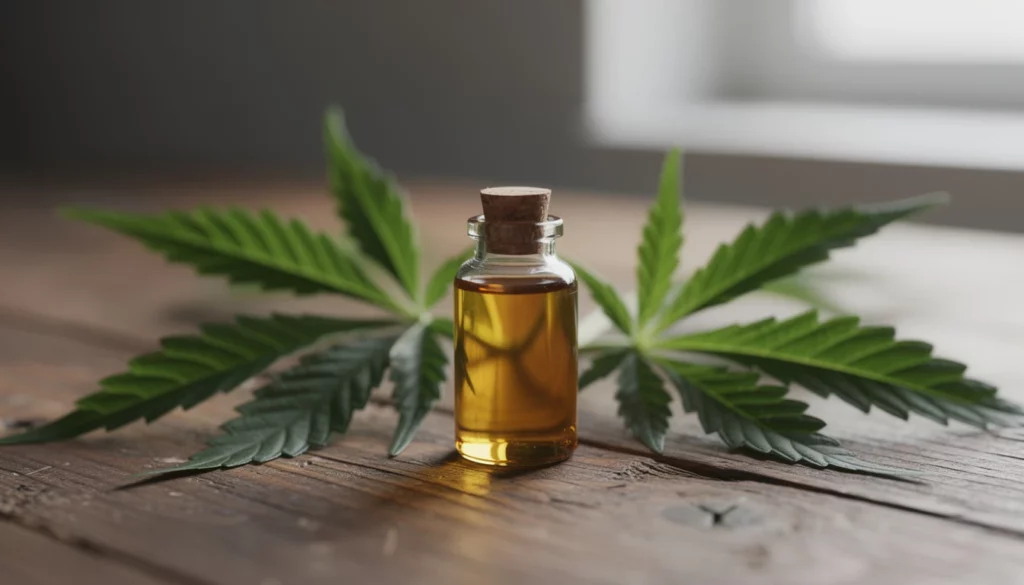
Cannabichromene, more commonly known by the acronym CBC, is today established as one of the main cannabinoids found in hemp and cannabis sativa. This natural molecule fascinates the scientific community: much less publicized than THC or CBD, it is nevertheless rich in promising therapeutic properties. Unlike some of its cousins, CBC is distinguished by its lack of psychoactive effects, paving the way for new research avenues in well-being and health. But what makes cannabichromene so unique and why does it generate so much interest?
The origin and structure of cannabichromene
Discovered in the 1960s during the first analyses of cannabis, cannabichromene proves to be a naturally occurring compound in varying quantities depending on the varieties of hemp. Integrated into the family of major cannabinoids, it is alongside CBD, CBG, and the famous THC. However, unlike the latter, scientific literature grants growing recognition to CBC for its distinctive characteristics.
Chemically speaking, this natural molecule belongs to the same large family as its counterparts, but its configuration clearly sets it apart. CBC does not primarily interact with the CB1 brain receptors involved in the “high” effect, which explains its lack of psychoactive effects. This aspect represents a significant advantage for those seeking to enjoy the benefits of cannabis without altering their consciousness. To explore more about other non-psychoactive compounds derived from cannabis, also discover cannabigerol, another molecule studied for its multiple potential properties.
What roles does CBC play in the cannabis plant?
Cannabichromene is not simply a secondary element in cannabis sativa. Its action appears complementary to that of other major cannabinoids. In the plant, it emerges during the biosynthetic process from CBGA (cannabigerolic acid), considered the “universal precursor” of cannabinoids.
This natural production varies depending on many factors such as genetics, climate, and cultivation methods. Researchers note that some varieties exhibit higher concentrations of CBC than others, thereby accentuating the differences between each cultivar. This genetic diversity hints at a considerable potential for selecting or developing plants rich in cannabichromene. Interestingly, just like CBC, some other cannabinoids remain rare, such as CBG, which you can learn more about in this dedicated guide.
Therapeutic properties and medical potential of CBC
The question of the beneficial effects of CBC fuels numerous scientific debates. Several recent studies explore the therapeutic potential of this non-psychoactive cannabinoid, attributing various interesting virtues to it for integrative medicine.
One of the prominent qualities of CBC lies in its anti-inflammatory activity. Tests conducted on animal models show that this property could help alleviate various disorders related to chronic inflammation, like arthritis or certain inflammatory bowel diseases.
How is CBC analgesic and anti-inflammatory?
Different research teams observe analgesic effects in CBC comparable to those of other major cannabinoids, although its exact mechanisms remain partially elucidated. It would promote the release of natural substances involved in pain modulation in the body, without generating euphoria or dependence.
Its anti-inflammatory action would also impact the reduction of edema and would help limit the production of molecules responsible for inflammatory responses. This potential synergy increases the interest in CBC in formulations dedicated to joint or muscle well-being.
What other potential applications for CBC?
Scientists envision cannabichromene as an antibacterial, antifungal, and even neuroprotective agent. Some studies mention a favorable effect on neuronal growth, a valuable angle for understanding the action of cannabinoids on nerve regeneration. Moreover, preliminary research suggests that CBC might play a role in mood regulation, notably through its possible interaction with anandamide, an endogenous molecule linked to the sensation of well-being.
Considering all these advantages, CBC truly possesses a remarkable therapeutic potential, still underexplored to date. However, caution is recommended, as clinical trials lack sufficient human follow-up and all these avenues require confirmation.
How does cannabichromene compare to other major cannabinoids?
To better understand the place of CBC in cannabis phytotherapy, it is pertinent to compare it to other compounds from cannabis sativa commonly found in legal hemp. A notable contrast exists between their pharmacological properties and their potential uses in the field of well-being.
- CBC has no psychoactive effect, unlike THC.
- It shares with CBD calming effects on inflammation and pain.
- Its relative rarity in commercial extracts further limits its availability in derived products.
The following table synthesizes the differences and common points between CBC, CBD, and THC :
| Cannabinoid | Psychoactivity | Anti-inflammatory effect | Analgesic effect | Main use |
|---|---|---|---|---|
| CBC | None | Yes | Yes | Emerging therapeutic potential |
| CBD | None | Yes | Yes | Well-being, anxiety, pain |
| THC | Yes | Yes (moderate) | Yes | Recreational use, regulated medical use |
In what forms can CBC be found and how to use it?
The offering dedicated to cannabichromene is just beginning to emerge in the welfare hemp market. This cannabinoid can be found in the form of oil, sometimes integrated into full-spectrum synergies that include several non-psychoactive cannabinoids.
Some specialized laboratories also offer topical creams targeting muscle or joint pain, always in compliance with local regulations. Sublingual or dermal administration remains preferred to maximize the bioavailability of CBC, even if effectiveness data varies based on concentration and the overall composition of the product.
- Broad or full-spectrum oils containing CBC
- Balms and topical creams enriched with CBC
- Combined products with other major cannabinoids
Given the still early status of this non-psychoactive cannabinoid on the market, it is advisable to check product analyses to ensure quality, origin, and accurate dosage.
Frequently asked questions about cannabichromene (CBC)
Is CBC psychoactive or can it get you high ?
- Ideal for those seeking cannabis use without intoxication
- Safe for daily use in most well-being formulations
In which products can CBC be found on the market ?
- Sublingual oils for quick administration
- Topical products targeting localized areas
- Some complexes combining several major cannabinoids
Does CBC have any known side effects ?
- Absence of undesirable psychoactive effects
- Few or no harmful side effects reported to date
Are there interactions between CBC and conventional medications ?
- Seek advice from a healthcare professional before introduction
- Prioritize products with clearly established cannabinoid profiles

Alexandre Lacarré is recognized as an innovative and influential leader in the cannabidiol (CBD) industry. Alexandre began his career in the biotechnology sector, where he gained valuable expertise in research and development. Passionate about the therapeutic potential of natural compounds, he quickly shifted his focus to the nascent CBD industry.